
|
A professional rodent inspection looks for signs of activity, possible exterior entry points, and property conditions that may attract or shelter rodents. Service professionals evaluate these clues together to understand where activity may be occurring and recommend appropriate next steps.
|
Seeing a rodent is often what prompts someone to call for help, but a rodent inspection involves much more than looking for the animal itself.
Rodents can leave behind signs that help a trained professional understand where activity may be occurring, what exterior conditions could be supporting it, and where rodents may be gaining access to the property. During an outdoor rodent inspection, a service professional evaluates those clues together rather than relying on a single sighting or sign.
Knowing what happens during the process can also help property owners prepare for an inspection and better understand the recommendations that come afterward.
If you want a broader look at what an outdoor inspection can include, Mosquito Joe®’s pest inspection services explain how service professionals evaluate exterior property conditions and signs of pest activity.
Start with Signs of Current Rodent Activity
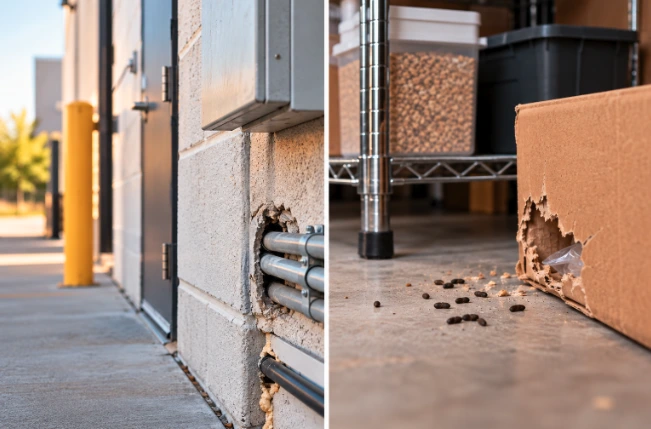
The CDC and EPA identify droppings, gnaw marks, nesting material, and related property damage as common signs of rodent activity. Instead of assuming where rodents are coming from, an inspector looks for signs that can provide context about activity around the property.
These may include:
- Droppings
- Gnaw marks
- Shredded or disturbed materials
- Possible nesting material
- Tracks or disturbed dust
- Rub marks along travel paths
- Damage to stored items or packaging
Where those signs appear can be just as important as the evidence itself.
Repeated activity along a wall, near stored materials, or close to an exterior opening may provide more useful information than a single isolated sign.
If you’re unsure what counts as meaningful evidence, Mosquito Joe’s guide to the warning signs of a rodent infestation covers several common clues worth watching.
Safety note: If you find rodent droppings or nesting material, avoid sweeping or vacuuming them. The CDC recommends specific wet-cleaning and disinfection procedures to reduce potential exposure to contaminated particles.
Check for Possible Rodent Entry Points
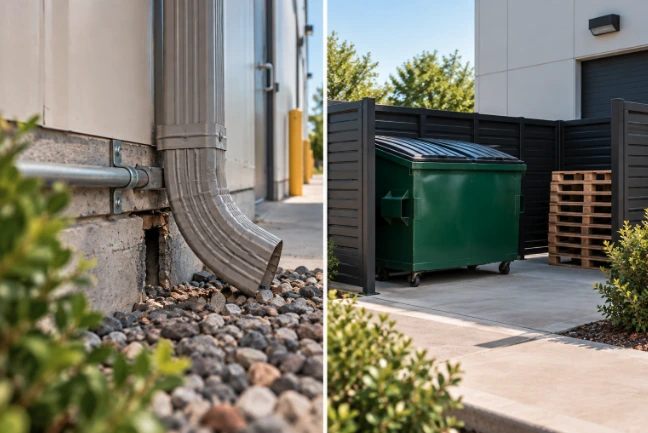
Finding evidence of rodents is only one part of the inspection. Professionals also evaluate areas that may provide access to the property.
Common areas to check include:
- Exterior doors and door sweeps
- Gaps around pipes and utility lines
- Vents and exterior openings
- Cracks or gaps around the structure
- Garage doors and exterior access doors
- Areas around waste, storage, or utility spaces
- Areas where different building materials meet
An inspector may consider whether an opening appears recent, whether nearby evidence points toward it, and whether property maintenance issues may have created easier access.
The goal is to connect signs of rodent activity with the physical conditions of the property rather than treating each clue separately.
Evaluate Food, Water, and Shelter Conditions
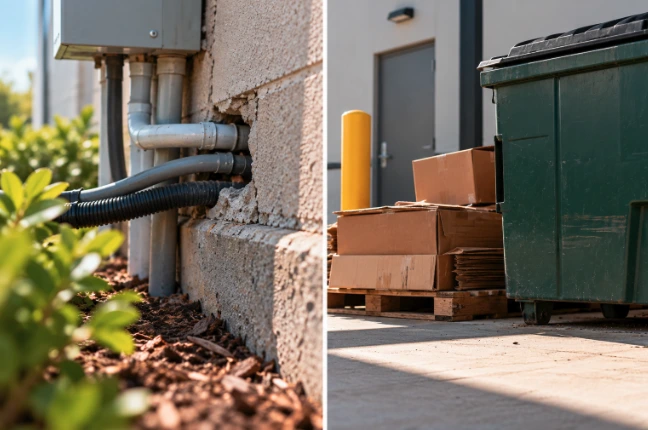
Rodents are more likely to remain in areas where they can consistently find food, water, and shelter. During an exterior inspection, service professionals may look for outdoor conditions that could make the property more attractive to rodents.
Food sources
Accessible trash, spilled food, pet food, birdseed, compost, and poorly secured waste areas can provide reliable food sources for rodents.
Water sources
Standing water, leaking outdoor fixtures, drainage issues, and other persistent moisture sources may contribute to favorable conditions.
Shelter
Dense vegetation, debris, stacked materials, cluttered storage areas, and protected spaces around the structure can provide places for rodents to hide or nest.
Looking at these conditions alongside signs of rodent activity and possible entry points can help explain why rodents are spending time around a property and identify conditions worth addressing.
Look for Patterns, Not Just Individual Clues
A professional inspection is partly about connecting information. One damaged box does not necessarily explain where rodents are entering. One gap in an exterior wall does not automatically mean rodents are using it. Patterns provide more useful context.
A professional may consider:
- Where evidence is concentrated
- Whether multiple signs appear along the same path
- How close activity is to food, water, or shelter
- Whether exterior conditions correspond with observed activity
- Whether rodent activity has been noticed at particular times or in particular areas
- Whether recent repairs or maintenance changed the property
Documenting warning signs before an inspection can be helpful for this reason.
Dates, locations, photos, and notes about recurring activity give the inspector additional information to evaluate.
Understand What Happens After a Rodent Inspection
Once the inspection is complete, the next step should be understanding what was found.
A professional can explain the evidence they observed, property conditions that may be contributing to activity, and areas that deserve additional attention.
Recommendations will depend on the property and what the inspection reveals. Next steps may include addressing exterior access points, reducing food, water, or shelter conditions around the property, monitoring areas where activity was found, or discussing outdoor rodent control when appropriate.
Rodent services vary by Mosquito Joe location, so your local team can explain the options available in your area, what they recommend based on the inspection, and what you can expect if service moves forward.
The most useful inspection should leave you understanding not only what was recommended, but also why.
For more information about Mosquito Joe’s outdoor pest control services, contact your local service professional to find out which options are available in your area.
Use Inspection Findings to Support Ongoing Prevention
An inspection can remain useful even after the immediate concern has been addressed. The findings may help identify areas that deserve closer attention during routine property maintenance.
For example, if an inspection identifies recurring concerns around loading areas, storage, waste management, or exterior gaps, those areas can become priorities during future checks.
Keep records of:
- Where evidence was found
- Repairs or maintenance completed
- Entry points, waste areas, moisture sources, or other conditions that require continued monitoring
- Dates of future property checks
- Any new warning signs
Consistent records make it easier to recognize when conditions improve, return, or change.
Know When It’s Time for a Professional Rodent Inspection
You do not necessarily need to wait until rodent activity becomes obvious.
A professional inspection may be useful when you are finding recurring droppings or damage, hearing repeated activity, noticing warning signs in multiple areas, or struggling to determine where rodents may be gaining access.
It may also make sense when property maintenance efforts have been completed but signs continue to return.
If you are concerned about rodent activity around your property, find your local Mosquito Joe team to ask about available inspection or rodent services and appropriate next steps. Understanding what is happening first can make the path forward much clearer—and leave less room for unwanted guests to keep you guessing.
This article is intended for general informational purposes only and may not be applicable to every situation. You are responsible for determining the proper course of action for your home and property. Mosquito Joe is not responsible for any damages that occur as a result of this blog content or your actions. For the most accurate guidance, contact the Mosquito Joe location nearest you for a comprehensive, on-site assessment.
This article may contain content, images, and/or multimedia generated with the assistance of artificial intelligence (AI). While we make every effort to review, edit, and ensure accuracy, completeness, and alignment with our content standards, we also encourage readers to verify facts, consult trusted professionals, and use their own judgment when making decisions based on their specific situation.
FAQs About Rodent Inspections
Since 2010, Mosquito Joe professionals have protected families like yours from nasty biters that would have you itching and scratching your way through the season. As an industry leader dedicated to environmentally sound pest control, we’re happy to use our many years of experience to answer your most frequently asked questions about rodent inspections.
Since 2010, Mosquito Joe professionals have protected families like yours from nasty biters that would have you itching and scratching your way through the season. As an industry leader dedicated to environmentally sound pest control, we’re happy to use our many years of experience to answer your most frequently asked questions about tick removal and prevention.